Image Collections
Curated food images for projects throughout the year.
-
Leafy Greens for Cooking: A Visual Guide
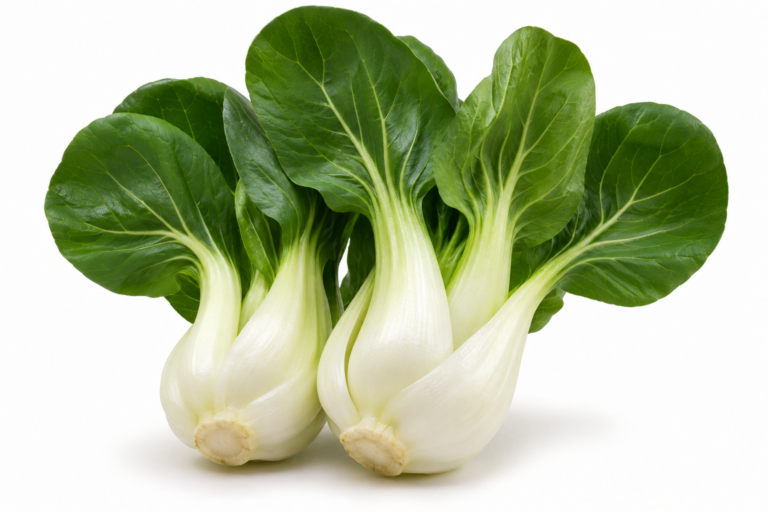
Leafy greens can add crunch to a salad, soften into a soup, or become a quick side dish with a splash of dressing. Start with the stem and the leaf. Thick ribs need more time in a pan, while thin leaves wilt quickly. Tight heads, smooth bunches, and feathery leaves also give you useful clues…
-
Root Vegetables and Tubers for Cooking: A Visual Guide
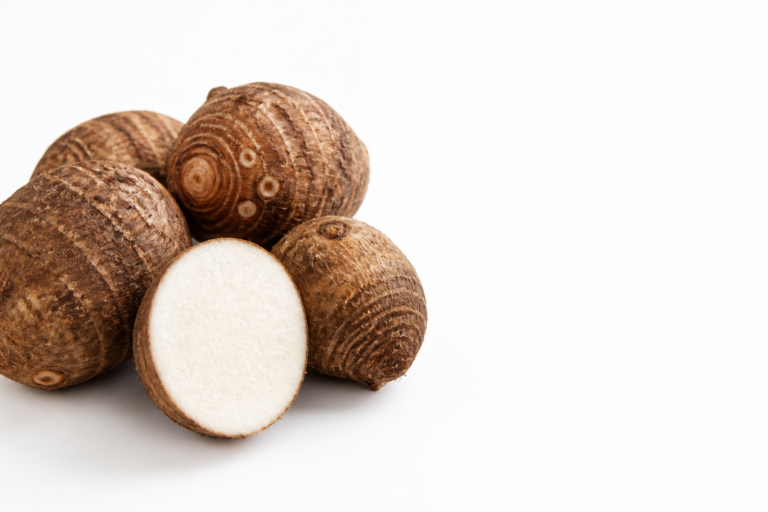
Root vegetables and tubers such as daikon, burdock, potatoes, and taro can go into the same pot, but the cut changes what they bring to a dish. Slice lotus root crosswise to show its holes, cut burdock into thin matchsticks for kinpira, or leave daikon in thick rounds for simmering. This guide shows eight ingredients…
-
Edible Seaweeds for Cooking: A Visual Guide
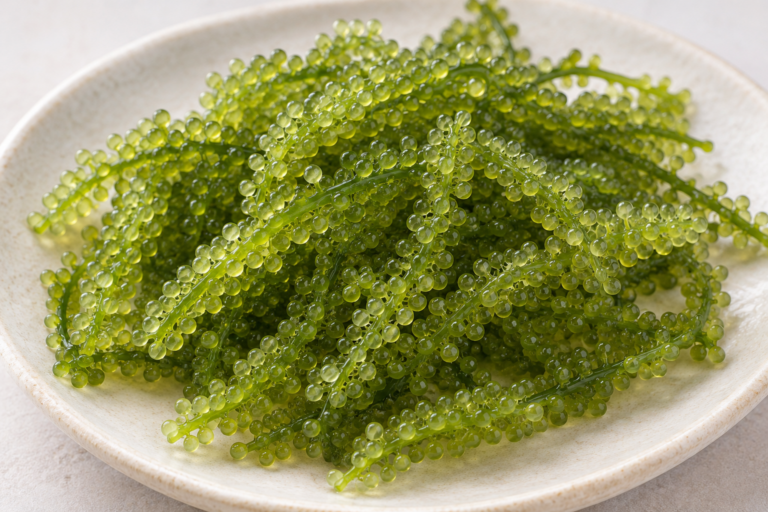
Edible seaweeds for cooking come in broad strips, thin sheets, fine strands, and even clusters that look like tiny grapes. Kombu gives dashi its base, wakame softens into leaves for miso soup, and a pinch of aonori brings green flecks to the top of okonomiyaki. The form matters because each seaweed behaves differently in a…
-
Cooking Spices: A Visual Guide to Whole and Ground Spices
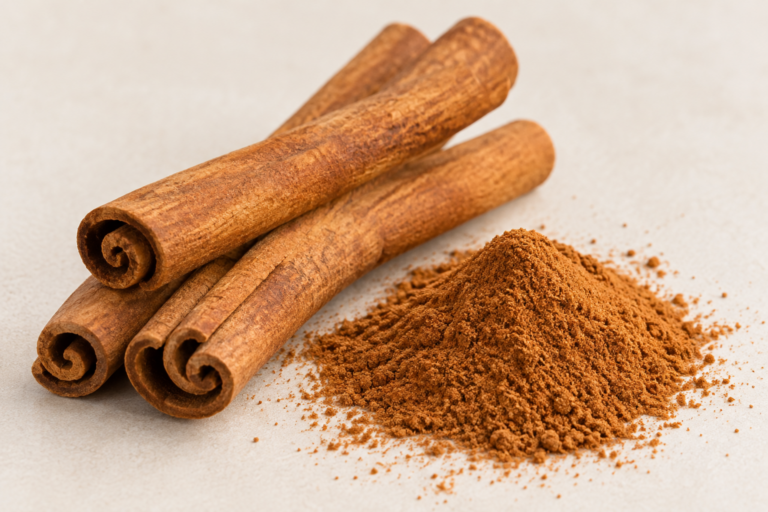
Cooking spices come in seeds, pods, bark, buds, powders, and threads. Their shape helps you tell them apart: cumin seeds are long and narrow, coriander seeds are round, and cloves resemble tiny nails. Some spices are sold in more than one form. A cinnamon stick can steep in cider and be removed, while ground cinnamon…
-
Citrus Fruits for Cooking: A Visual Guide
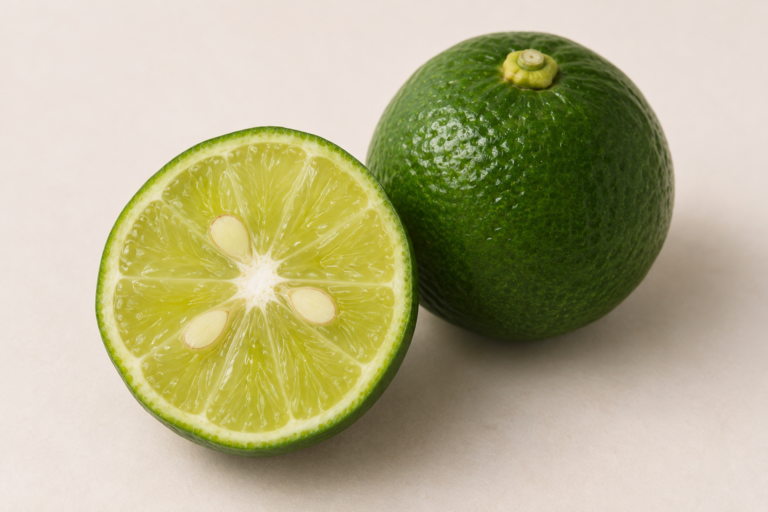
Citrus fruits can add juicy segments, tart juice, or fragrant zest to a dish. Peel a mandarin to serve its segments whole, squeeze sudachi over chilled noodles, or slice a little yellow yuzu peel to finish a warm soup. The part you use matters as much as the fruit you choose. This visual guide compares…
-
Beans and Legumes for Cooking: A Visual Guide
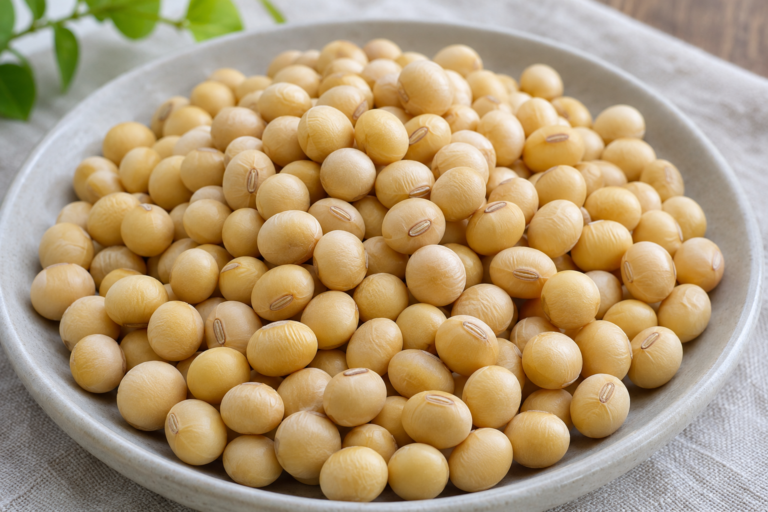
Beans and legumes used in cooking include mature soybeans, edamame, adzuki beans, chickpeas, lentils, and kidney beans. You can tell many of them apart by shape: chickpeas have a small point, split red lentils are flat, and kidney beans have a curved outline. Edamame is harvested while the soybeans are still young and green. Use…
-
9 Culinary Herbs: How to Recognize and Use Them
Culinary herbs can change a dish at different points in cooking. Torn basil adds a fresh aroma to sliced tomatoes just before serving, while rosemary can scent potatoes as they roast. Leaf shape also helps when choosing herbs at the market: flat-leaf parsley has pointed lobes, cilantro leaves are more rounded, and dill has fine,…
-
9 Edible Mushrooms for Cooking: What They Look Like and How to Use Them
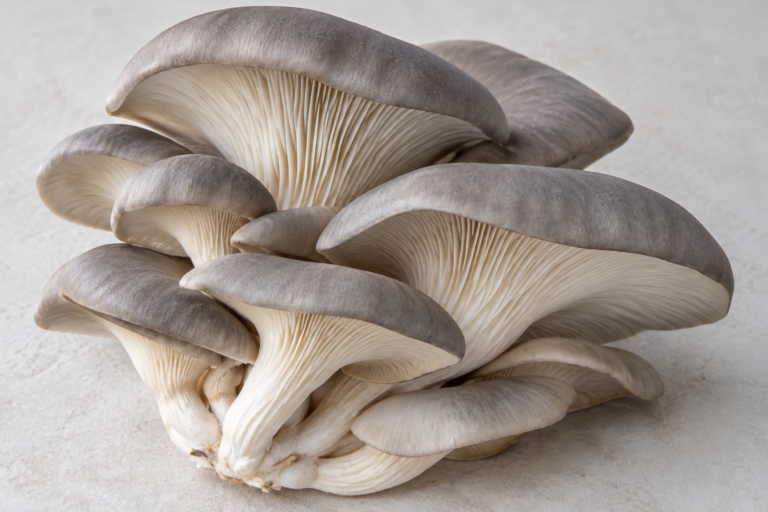
Shiitake, maitake, shimeji, enoki, and oyster mushrooms can all go into a soup or a pan, but they bring different shapes and textures. Shiitake has a broad cap you can slice, king oyster has a thick stem you can sear in planks, and maitake tears into small clusters with edges that crisp in the oven.…
-
Blue Foods List: Fruits, Vegetables, and Other Blue Ingredients
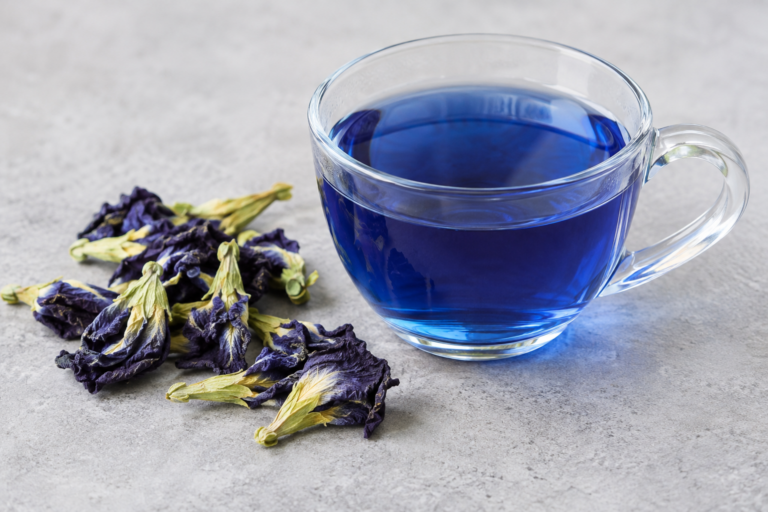
Blue foods include blueberries, haskap berries, blue corn, butterfly pea flowers, and blue cheese. The color can come from a dusty bloom on fruit skin, blue-purple pigment in grains or potato flesh, or blue-green veins in cheese. Butterfly pea flowers offer a different effect: they turn the water blue when steeped. Use this list to…
-
Pink Foods List: Fruits, Vegetables, and Other Pink Ingredients
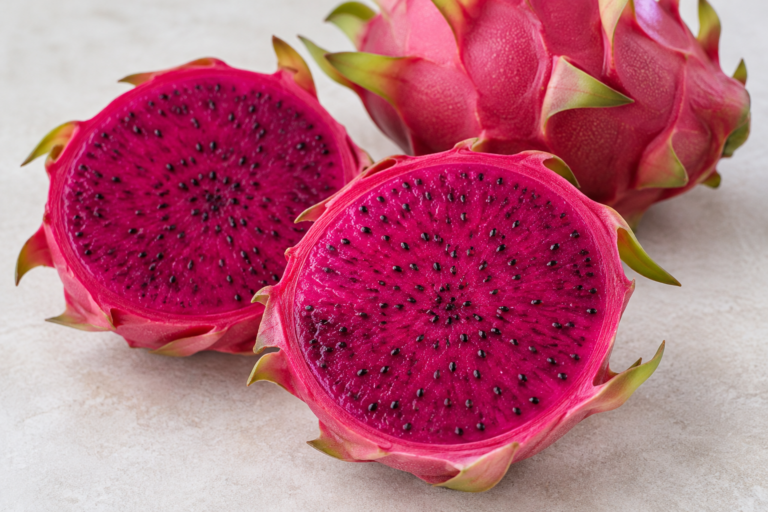
Pink foods include pink grapefruit, pink guava, watermelon radish, and pale pink pickled ginger. The color can be in the flesh, on the skin, or along the stems. Slice a watermelon radish to reveal its pink center, halve a pink-skinned radish to show the thin colored rim, or use Swiss chard for pink stems against…