A spoonful of miso gives soup a savory base, black rice vinegar lifts a dressing, and fermented chili pastes bring different kinds of heat. When choosing a fermented seasoning, think about when it goes into the dish and what it needs to add: salt and savoriness, acidity, or chile heat.
This visual guide shows six seasonings from Japanese, Korean, and Chinese cooking. Compare a thick paste with a pourable sauce, then match the seasoning to an example below. Start with a little and taste as you go, especially when using more than one salty seasoning.
Savory bases and marinades
Use a paste for a coating or to dissolve into broth. Use a liquid when you want it to mix into a sauce quickly.
| Ingredient | Image | How to use it |
|---|---|---|
| Brown miso | This fermented soybean paste is thick and savory. Stir it into a ladle of warm broth to dissolve before returning the mixture to tofu and wakame soup. | |
| Soy sauce | This pourable dark seasoning works in simmered dishes and sauces. Add a little to a mushroom stir-fry, then taste before adding salt. | |
| Shio koji | This salty rice-koji seasoning has a pale, grainy texture. Spread a thin coating on firm tofu or vegetables before roasting. |
Acidity and chile heat
Use black vinegar where you want a tangy finish. Choose a chile paste according to whether you want a smooth, sweet-hot sauce or a coarser, saltier base.
| Ingredient | Image | How to use it |
|---|---|---|
| Black rice vinegar | This dark, tangy vinegar loosens a dressing. Mix it with a little sesame oil for sliced cucumbers or add it to a dipping sauce. | |
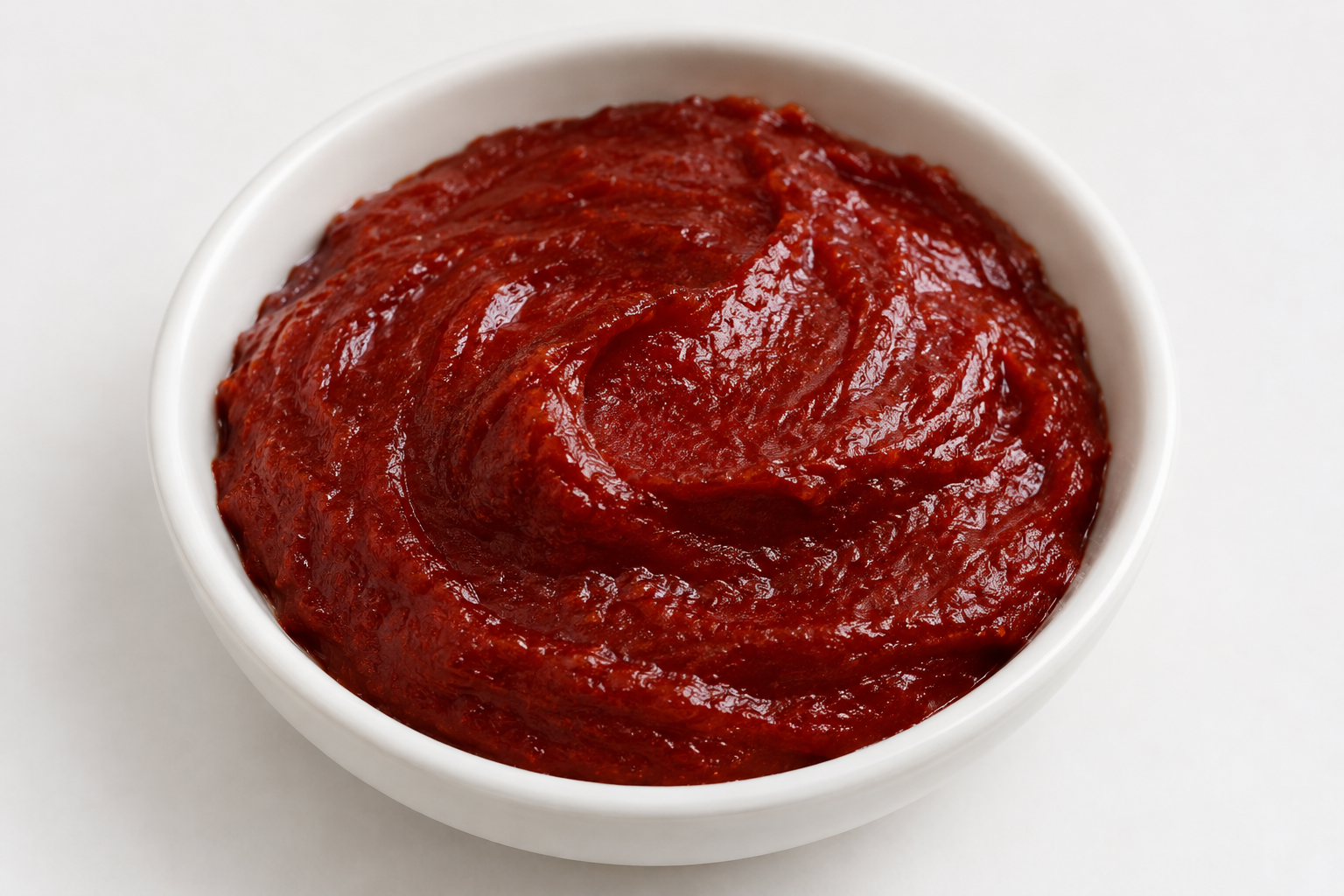
| Gochujang | Korean fermented red chile paste is thick and typically sweet-hot. Whisk a small spoonful with water and sesame oil for a vegetable rice bowl. | |
| Doubanjiang | Sichuan chile broad-bean paste is usually coarser and saltier in character. Briefly fry a spoonful with aromatics before adding tofu and broth for a mapo-style dish. |